




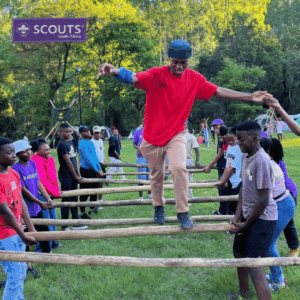
FB: Camporee’26, Limpopo Scout Region
South Africa’s high unemployment rate continues to highlight the importance of preparing young people not only for a job, but for the realities of the workplace. While technical qualifications and job-specific experience matter, employers also increasingly need people who can communicate, work in teams, solve problems, take responsibility, adapt to change and show initiative.
These are life skills and they can be developed long before a young person enters the job market.
Scouting provides an environment where young people learn these skills through practical experience. From working as part of a Patrol or team, taking responsibility for a task, planning an activity, solving problems outdoors, leading others or serving their community, young people learn by doing.
The value of this early development is that skills such as communication, teamwork, leadership, resilience and problem-solving are not simply acquired and left behind. With continued practice, they can become habits that young people carry into further education, employment and everyday life.
For employers, employees who can collaborate effectively, communicate clearly, take initiative and solve problems can contribute to a more productive workplace. For young people, having these skills alongside technical knowledge can strengthen their ability to adapt to changing job requirements and workplace expectations.
Scouting starts that process early. From the age of 5 our Meerkats start their learning journey. When they leave their Scout uniform behind, they are ready for life. This is why investing in life skills is not separate from preparing young people for employment. It is part of preparing them for work, for citizenship and for life.