




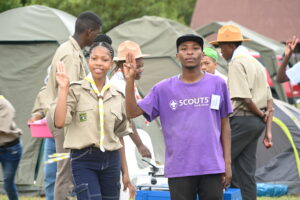
 As we celebrate World Youth Skills Day , we are reminded that investing in young people is one of the most powerful ways to build stronger communities and a more sustainable future. This year’s theme, “Skills for a Shared Future,” recognises that young people need more than academic knowledge to succeed. They need practical, adaptable skills that help them navigate an ever-changing world while making a positive difference in their communities. At SCOUTS South Africa, this is exactly what we have been doing for more than a century.
To an outsider, Scouting may appear to be about badges, camping and outdoor adventures. In reality, every badge earned represents a new skill mastered. Every Patrol activity develops teamwork. Every community service project teaches responsibility. Every leadership role builds confidence. Every challenge overcome develops resilience. By progressing through our programmes, young people gain practical experience and develop the confidence and skills that employers, universities and communities increasingly value.
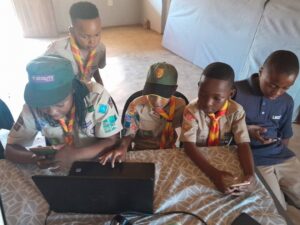
In a global economy where the skills’ needs continue to evolve rapidly, employers increasingly seek people who can collaborate, think critically, communicate effectively and adapt to change. Green skills, digital literacy, leadership and emotional intelligence are becoming just as important as technical knowledge.
Scouting provides an environment where these skills develop naturally through meaningful experiences rather than lectures alone. Young people are trusted to make decisions, solve real problems, work with diverse teams and serve their communities. They learn that leadership is about listening as much as leading, and that success comes from working together.
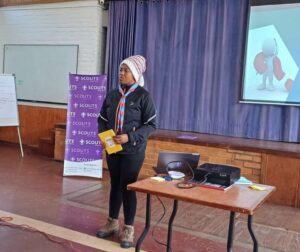 Scouting is built on the principle of learning by doing. Every camp, hike, challenge and service project provides young people with opportunities to develop real-world skills that cannot always be taught in a classroom. Throughout their Scouting journey, members build skills like project planning, managing and working in a team, communication, public speaking, problem-solving and critical thinking. By exploring the outdoors they further learn environmental stewardship, community engagement and emergency preparedness, as well as using creative and innovative ideas to overcome challenges during outdoor adventures. These are the transferable skills that prepare young people not only for employment, but for a shared future where active citizenship and lifelong learning prevail.
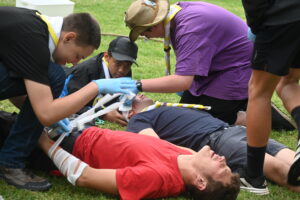 Perhaps the greatest lesson Scouting teaches is that skills should be used in service of others. Whether responding after storms, protecting the environment, supporting vulnerable families or mentoring younger members, Scouts learn that their abilities have the greatest value when they improve the lives of those around them.
As we celebrate World Youth Skills Day, we celebrate every young person who has discovered that learning never stops, leadership is earned through service, and the skills developed through Scouting have the power to build lasting change.